About POLYVINYL ALCOHOL (PVA)
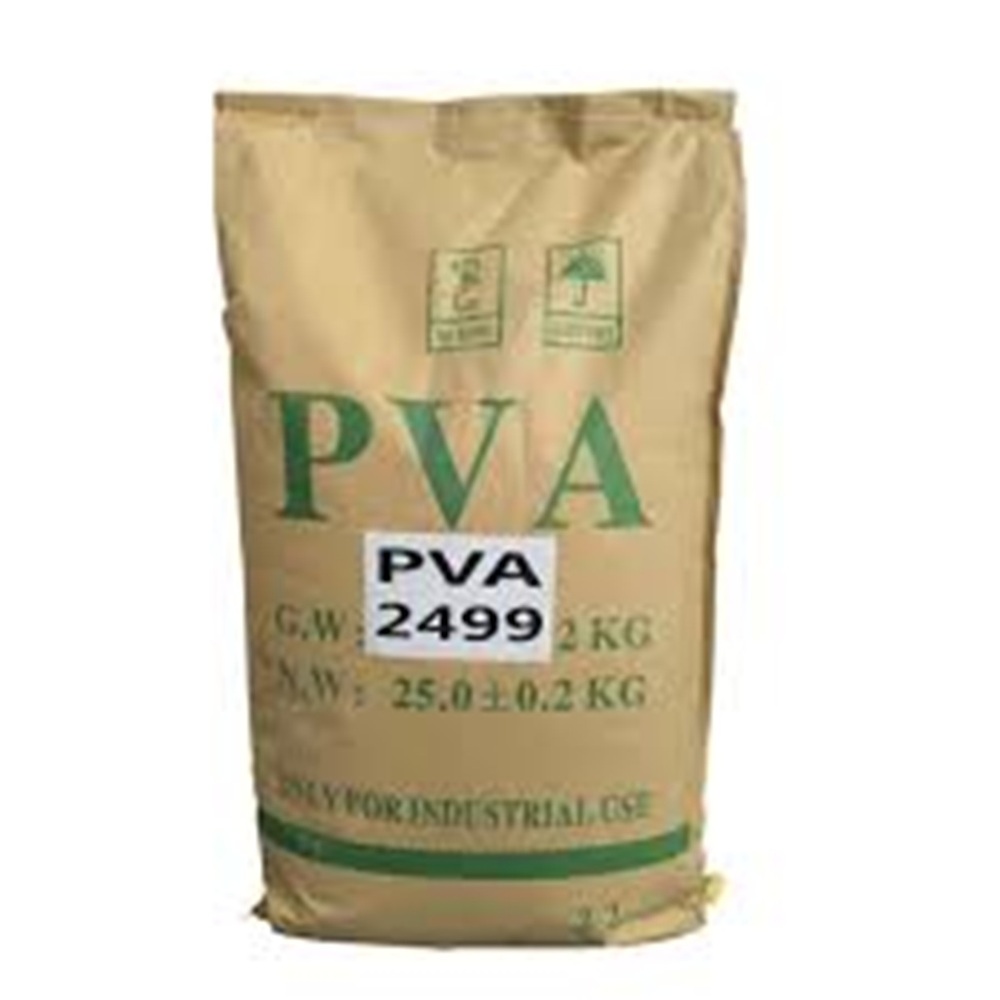
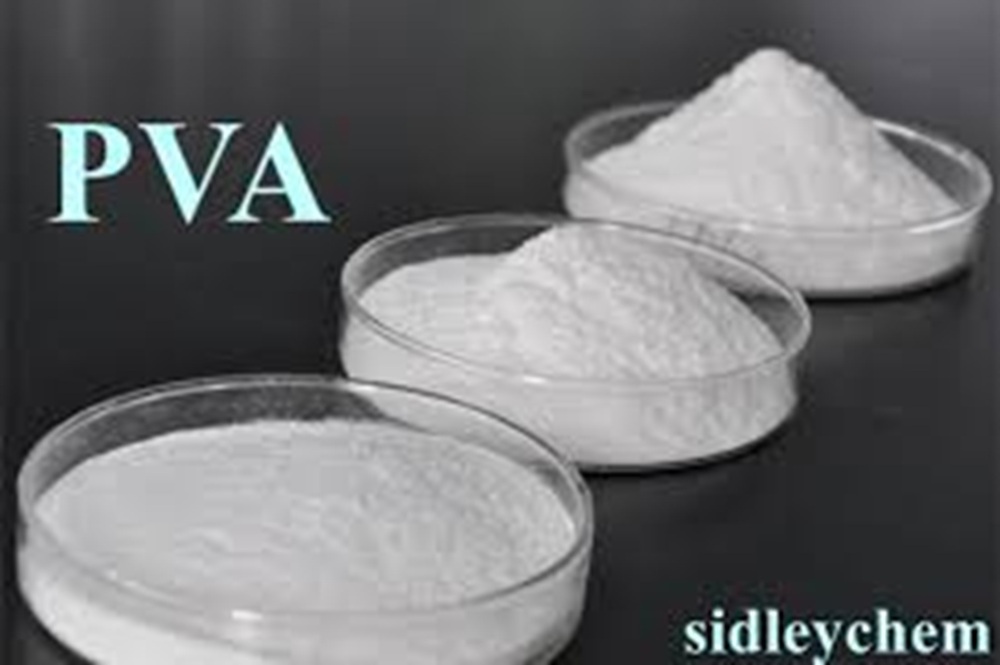
Polyvinyl Alcohol (PVA, sometimes referred to as PVOH) is a water soluble polymer used widely in adhesives, paints, sealants, coatings, textiles, plastics, etc. The polymer is normally supplied in powder form and several grades are available with varying viscosity and solubility characteristicsVersatile Performance Across IndustriesPolyvinyl Alcohol (PVA) excels as a high-performance, water-soluble polymer utilized in textiles, paper, adhesives, construction, cosmetics, and pharmaceuticals. Its strong film-forming and emulsifying characteristics make it a preferred choice for enhancing product quality and functionality. PVA's adaptability allows seamless integration across multiple industrial processes, ensuring consistent, reliable results.
Outstanding Physical and Chemical PropertiesPVA's industrial grade purity (98% min), high molecular weight (44,000-150,000), and superior mechanical strength distinguish it as a dependable raw material. It is non-toxic, odorless, non-poisonous, and maintains stability under normal storage. The powder form dissolves readily in water but remains insoluble in most organic solvents, making it useful for diverse formulations and coatings.
Safe Handling and Environmental ResponsibilityPVA is not classified as hazardous, but standard safety precautions-like personal protective equipment and adequate ventilation-should be observed. With its biodegradability under certain conditions, PVA offers an environmentally friendlier option compared to many traditional polymers, contributing to sustainable practices in industries worldwide.
FAQ's of POLYVINYL ALCOHOL (PVA):
Q: How should Polyvinyl Alcohol (PVA) be stored to maintain its quality?
A: PVA should be stored in a cool, dry, well-ventilated area away from moisture and direct sunlight. The original packing should be kept sealed to preserve its shelf life of up to two years under recommended storage conditions.
Q: What are the main industrial uses of Polyvinyl Alcohol (PVA)?
A: PVA is commonly used in textile sizing, paper coatings, adhesives, emulsion stabilization, film production, cosmetics, construction, and pharmaceuticals, valued for its strong adhesive, film-forming, and thickening properties.
Q: How is Polyvinyl Alcohol (PVA) typically processed or applied?
A: PVA is usually dissolved in water to make aqueous solutions for use as a thickener, binder, or stabilizer. The solution's viscosity and properties can be adjusted by altering concentration and selecting specific grades to match application requirements.
Q: What benefits does PVA offer compared to other polymers?
A: PVA stands out for its excellent solubility in water, non-toxicity, high tensile strength, and flexibility. Its biodegradable nature under certain conditions makes it an environmentally conscious alternative to many synthetic polymers.
Q: Is PVA safe to handle and use in manufacturing processes?
A: Yes, PVA is non-toxic, non-poisonous, and not classified as hazardous. However, users should employ personal protective equipment and avoid inhaling the powder during handling to ensure safe working conditions.
Q: Where does PVA find application in the pharmaceutical industry?
A: In pharmaceuticals, PVA acts as a binder and coating agent in tablet formulations and drug delivery systems, ensuring optimal performance due to its film-forming and emulsifying characteristics.
 Send Inquiry



 Send Inquiry

 Send Inquiry