About Hydroxypropyl Methylcellulose (HPMC)
HPMC, or Hydroxypropyl Methylcellulose, is a versatile polymer with various applications across multiple industries. In the pharmaceutical sector, its used in eye drops and as an excipient in oral medications. Its also found in construction as a thickener, binder, and water retention agent. Additionally, HPMC is used in the food industry as an emulsifier, thickener, and stabilizer, as well as in cosmetics and personal care products as a film former, thickener, and emulsifier.
Superior Performance Across ApplicationsThanks to its exceptional thickening, stabilizing, and dispersing properties, HPMC serves as a critical ingredient in construction, pharmaceuticals, food, cosmetic, and detergent industries. Its film-forming capacity and easy cold-water dispersibility ensure optimal performance and processing efficiency, making it a preferred solution for formulators.
Quality and Safety AssuranceHPMC meets stringent industry standards including FDA/USP guidelines for non-toxicity. With high purity (min 98%), low heavy metal content, and consistent bulk density, the product guarantees reliability and safety for client applications. Manufactured in China, it is available through trusted importers, suppliers, and traders.
Versatile Formulation and UsageThe products wide pH stability range (3.0 11.0), excellent compatibility with additives, and adjustable viscosity allow for tailored usage. Its fine powder passes 98% through an 80 mesh sieve, ensuring homogeneous blending in various media and products. Recommended storage is cool, dry, and tightly sealed for optimal shelf-life of 2 years.
FAQs of Hydroxypropyl Methylcellulose (HPMC):
Q: How is Hydroxypropyl Methylcellulose (HPMC) used in different industries?
A: HPMC is commonly integrated as a thickener, stabilizer, and emulsifier in construction, pharmaceuticals, foods, cosmetics, and detergents. It enhances texture, improves consistency, and ensures stability in formulations such as mortars, tablet coatings, creams, and cleaning agents.
Q: What is the appropriate process for dissolving HPMC in water?
A: To dissolve HPMC, gradually add the powder to cold water with consistent stirring to ensure even dispersion. It easily dissolves in cold water but is insoluble in hot water. Avoid adding to hot water directly as it may form lumps.
Q: Where should HPMC be stored to maintain its quality?
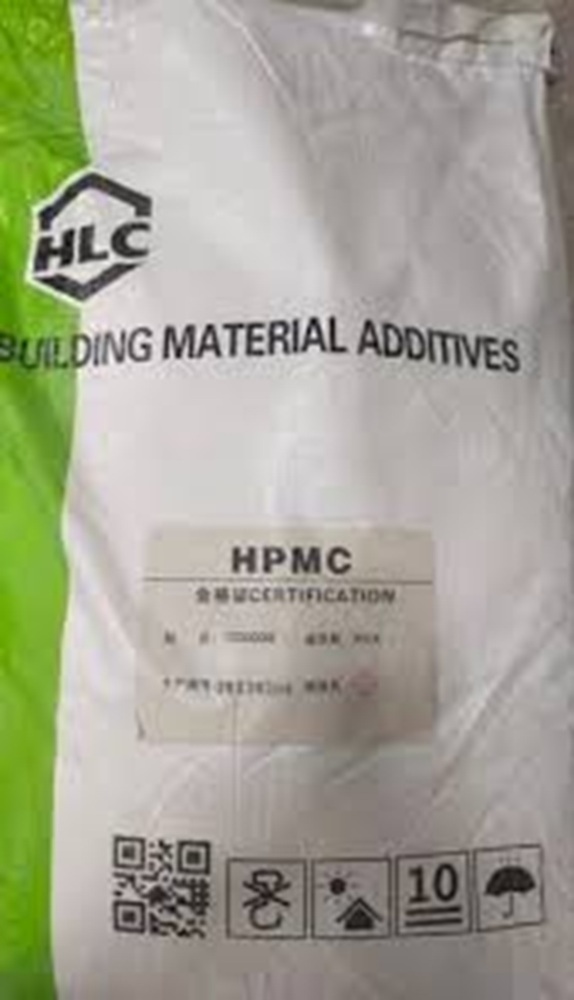
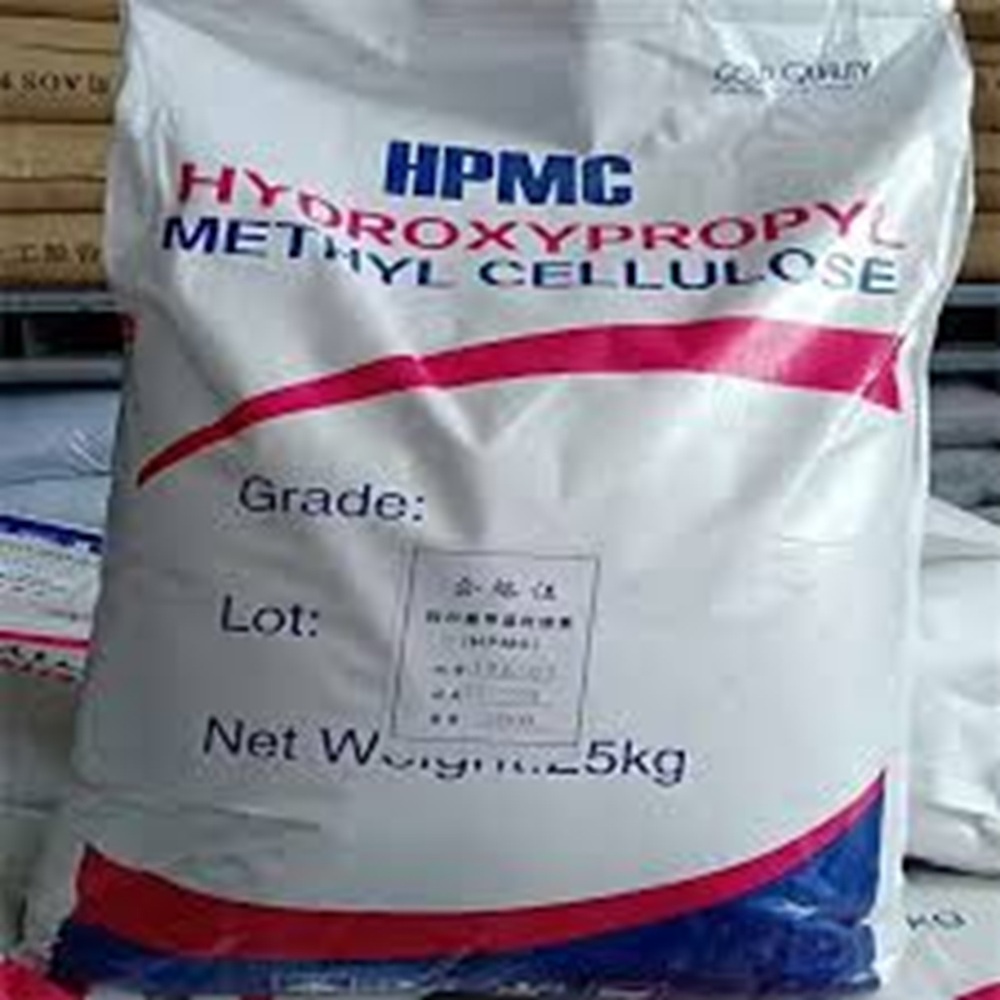
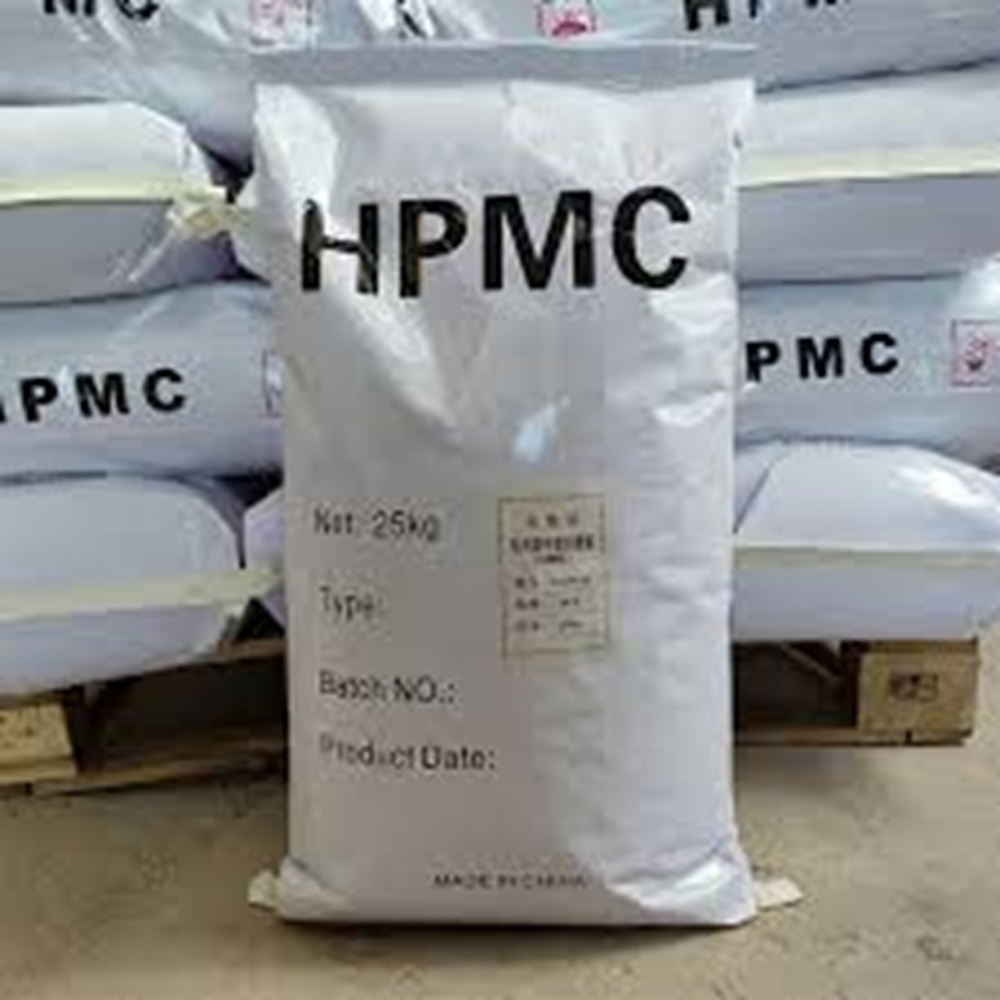
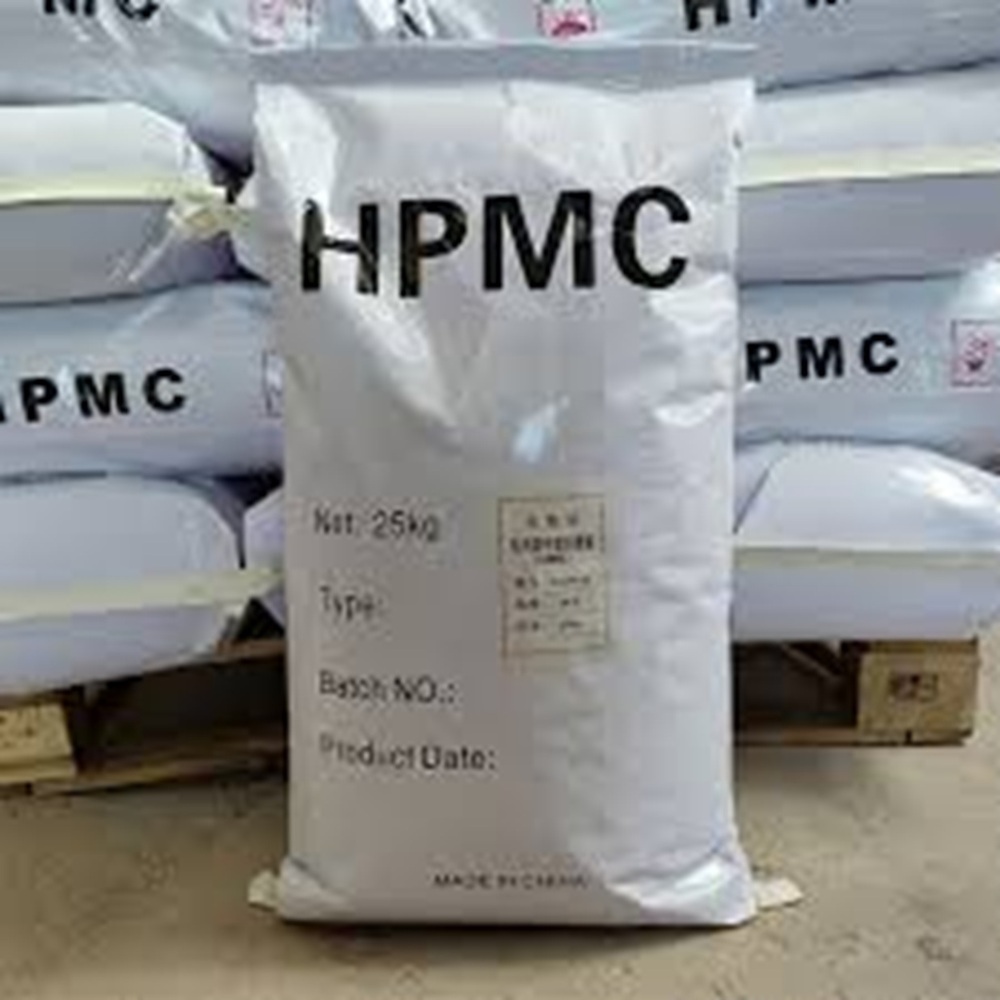
A: Store HPMC in cool, dry conditions with tightly sealed packaging, such as 25 kg bags or drums. Proper storage helps preserve its performance properties and extends its shelf life to up to 2 years.
Q: What are the benefits of using HPMC in product formulations?
A: HPMC offers excellent thickening, stabilizing, and film-forming capacities. It is non-toxic, compatible with most organic and inorganic additives, and ensures uniform texture, improved processability, and enhanced product stability.
Q: When is HPMC the preferred choice as a thickener or stabilizer?
A: HPMC is favored when high viscosity, wide pH tolerance (range 3.0 11.0), and compatibility with diverse ingredients are required. Its non-toxic profile and film-forming ability make it suitable for sensitive and regulated applications.
Q: Is HPMC safe for use in food and pharmaceutical products?
A: Yes, HPMC is recognized as non-toxic, non-poisonous, and odorless, meeting FDA and USP standards. Its use in food and pharmaceutical formulations is safe when handled as recommended.
Q: What is the recommended usage amount of HPMC in applications?
A: The required dosage depends on the specific application and desired viscosity or textural outcome. Generally, it is added to the medium and stirred until completely dispersed; consult formulation guidelines for precise quantities.

 Send Inquiry



 Send Inquiry

 Send Inquiry