About Chlorinated Polythylene CPE
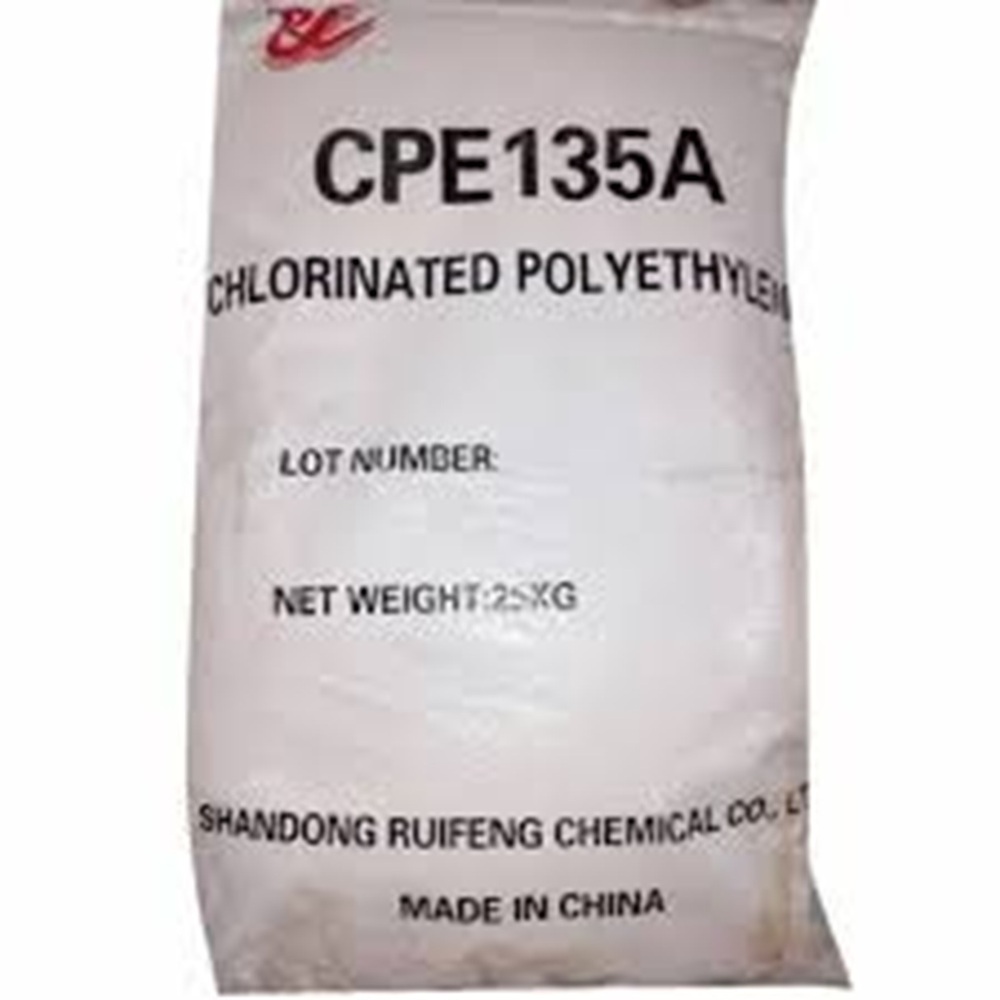
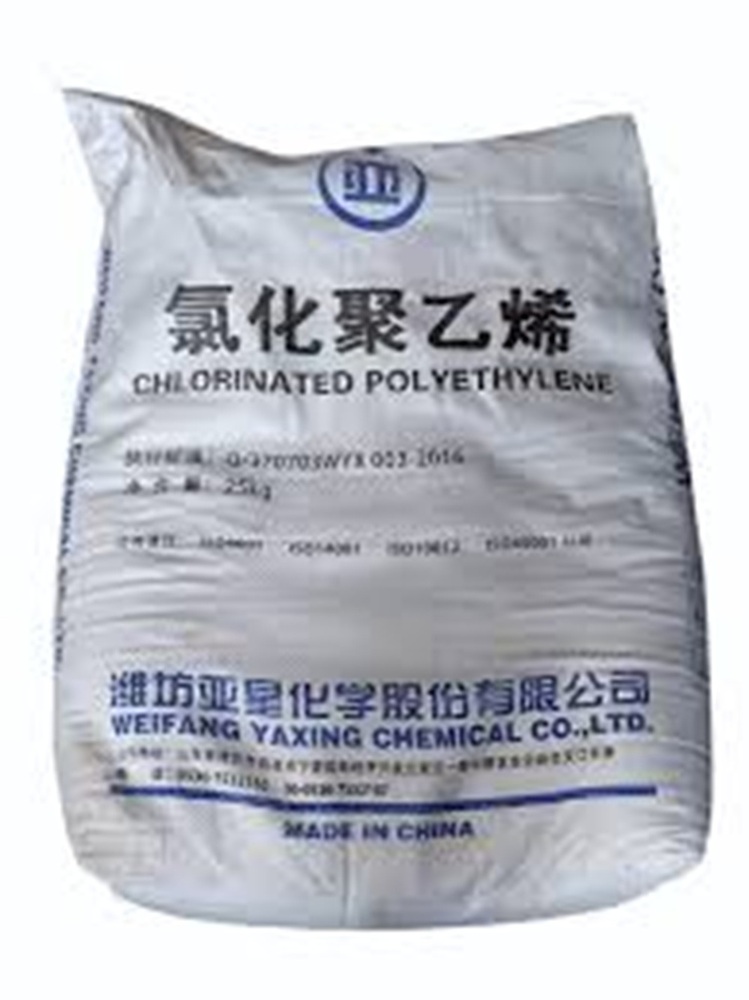
CPE 135A a chlorinated polyethylene, is a white powder impact modifier used in PVC formulations to enhance properties like impact resistance, flexibility, and chemical stability. Its derived from high-density polyethylene and chlorine and is known for its good compatibility with PVC, weatherability, and flame retardancy. CPE 135A is a common choice for PVC profiles, pipes, sheets, and various other applications
Exceptional Physical and Chemical StabilityCPE offers outstanding oil, acid, and chemical resistance, making it ideal for challenging environments. Its formulation allows excellent ageing resistance and consistent performance in outdoor or harsh weather conditions. These attributes extend the operational lifespan of the products in which CPE is used.
Versatile Industrial ApplicationsCPE functions as an effective impact modifier and flame retardant, especially in PVC compounds, rubber products, wire jacketing, hoses, magnetic materials, and adhesives. Its adaptability across diverse applications enhances both the mechanical properties and fire safety features of finished goods.
Safe and Easy to HandleAs a non-toxic and odorless material with a neutral pH, CPE ensures safety during handling and processing. Its bulk density allows for straightforward blending and mixing with other polymers. CPE is easy to transport and store, following standard safety protocols.
FAQ's of Chlorinated Polythylene CPE:
Q: How is Chlorinated Polyethylene (CPE) typically used in industry?
A: CPE is commonly applied as an impact modifier and flame retardant, particularly in PVC materials, rubber products, wire and cable insulation, hoses, films, and adhesives. Its chemical stability and flexibility improve the durability, safety, and performance of end products.
Q: What benefits does CPE provide to polymer compounds and finished goods?
A: CPE enhances impact resistance, mechanical properties, weatherability, and flame retardancy. It also imparts resistance to oil, acids, and aging, all while maintaining flexibility. This combination helps manufacturers achieve stricter quality and safety standards in their products.
Q: When should CPE be considered over other polymer modifiers?
A: CPE is the preferred choice when high tensile strength, superior elongation, and flame retardancy are necessary. It's especially suitable for products exposed to harsh chemicals, outdoor climates, or demanding safety regulations.
Q: Where should Chlorinated Polyethylene be stored for optimal shelf life?
A: CPE should be stored in a cool, dry, and well-ventilated area, away from strong oxidizing agents and direct sunlight. Proper storage conditions will preserve its properties and maintain suitability for industrial usage for up to 24 months.
Q: What is the typical process for incorporating CPE into PVC or rubber products?
A: CPE is blended with base polymers during the compounding process, typically using industrial mixers or extruders. Its granular or powdered form mixes well, allowing for even dispersion and consistent enhancement of the finished product.
Q: Is CPE safe to handle and does it emit any odor or harmful substances?
A: CPE is odorless, non-toxic, and categorized as non-poisonous. It does not emit harmful fumes under normal handling and processing conditions, making it a safe choice for manufacturing environments.

 Send Inquiry



 Send Inquiry

 Send Inquiry