About Carboxy Methyl Cellulose (CMC)
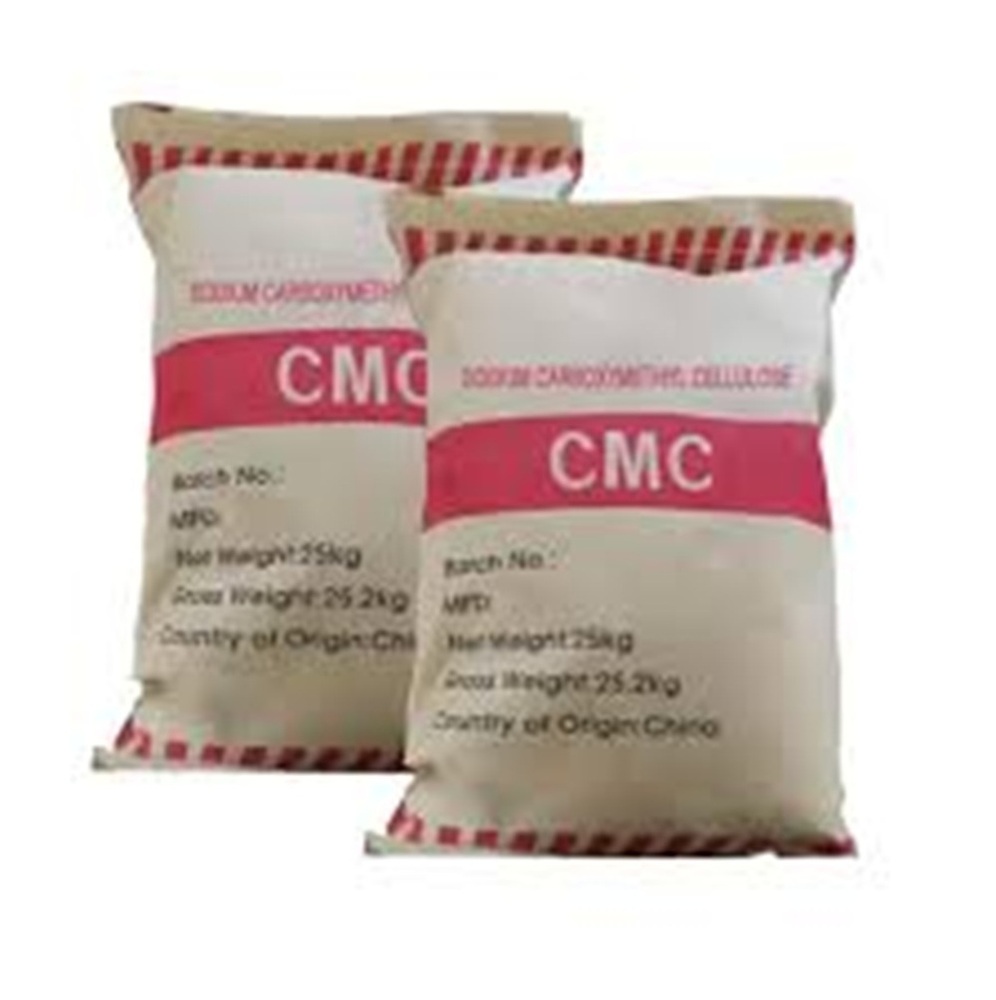
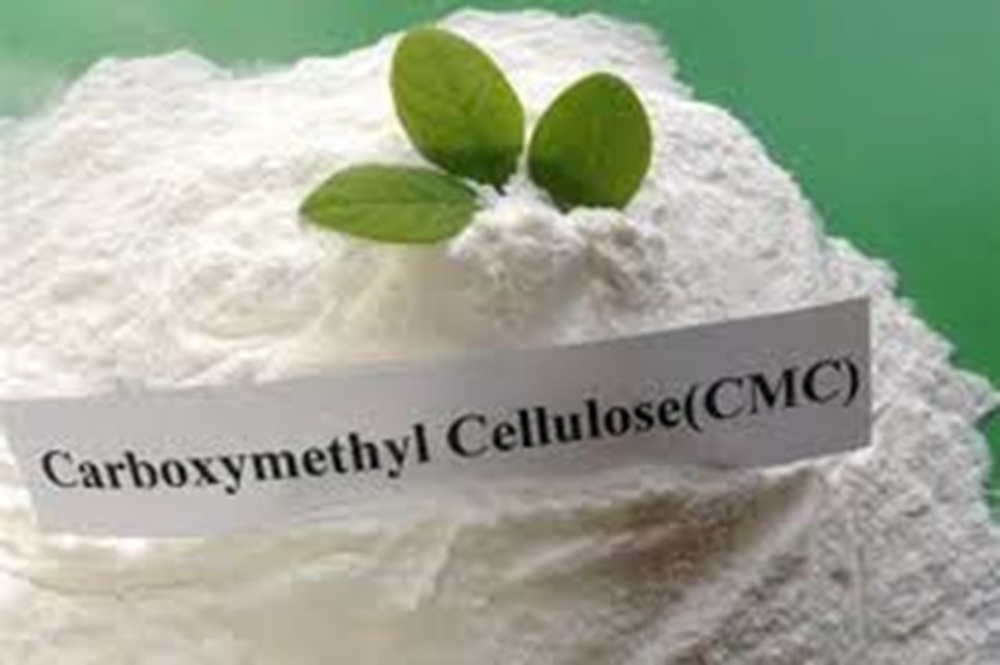
Carboxymethyl Cellulose is an anionic, water soluble cellulose ether specialized for water based paints. It is widely used in economical waterbased paints to give ease of solution, low foaming, thickening efficiency, improved colour development and stabilization.Outstanding Versatility for Multiple IndustriesCMC acts as a multifunctional additive, providing thickening, binding, stabilizing, and emulsifying properties. Its wide application in food, pharmaceuticals, oil drilling, textiles, and more makes it indispensable for manufacturers aiming for improved product consistency, stability, and performance.
High Purity, Consistent QualityWith a purity of 99% and strict microbial and heavy metal controls (lead: 2 ppm, heavy metals: 20 ppm), CMC meets the stringent standards required by food, pharma, and industrial sectors. The powder is non-toxic, odorless, and tasteless, ensuring safety and quality across its usages.
Customizable Grades and Particle SizesCMC is available in a variety of grades-technical, food, and pharma-with tailored viscosity and particle sizes (80-200 mesh) to suit different manufacturing requirements. Its water-solubility and reliable shelf stability further enhance its utility in diverse process environments.
FAQ's of Carboxy Methyl Cellulose (CMC):
Q: How is Carboxy Methyl Cellulose (CMC) typically used in industrial and food applications?
A: CMC is used as a thickener, stabilizer, binder, emulsifier, and viscosity modifier. In food industries, it enhances texture and shelf life, while in pharmaceuticals, it improves consistency and formulation stability. Its role in oil drilling, textiles, detergents, adhesives, and paper includes viscosity control and suspension stabilization.
Q: What are the primary benefits of incorporating CMC with a degree of substitution between 0.6 and 1.2?
A: A DS of 0.6-1.2 ensures optimal solubility and high thickening efficiency, allowing CMC to form viscous, stable solutions in water. This makes it highly effective for applications requiring reliable consistency, improved mouthfeel in food, and enhanced binding capability in industrial products.
Q: Where should CMC powder be stored to ensure product longevity and quality?
A: Store CMC in a cool, dry, and well-ventilated area, with containers tightly sealed to protect against moisture. Proper storage preserves its stable powder form, prevents caking, and maintains the guaranteed two-year shelf life from the date of manufacture.
Q: What is the recommended process for dissolving CMC in water for optimal results?
A: To ensure even dissolution and prevent clumping, gradually sprinkle CMC powder into vigorously agitated cold or hot water. Continue mixing until a uniform, viscous solution is achieved. Adjust concentration based on the required viscosity for your specific application.
Q: When should different CMC grades be selected for specific applications?
A: Technical, food, and pharma grades are available, each tailored for industry-specific requirements. Choose food grade for consumables, pharma grade for medicinal formulations, and technical grade for industrial applications such as drilling fluids, adhesives, detergents, or textiles.
Q: What is the significance of CMC's particle size and viscosity range?
A: Particle size (80-200 mesh) and viscosity (10-8000 mPa.s) can be specified to meet process requirements. Finer particles dissolve faster, making them ideal for instant mixing, while a range of viscosities allows precise control over solution thickness and stability.
Q: How does using CMC improve product performance or formulation processes?
A: CMC enhances product uniformity, prolongs shelf life, and improves stability. Its excellent water solubility, high purity, non-toxicity, and ability to maintain viscosity under diverse conditions make it valuable for achieving consistent results across a wide spectrum of applications.

 Send Inquiry



 Send Inquiry

 Send Inquiry